


Page 1 of 4
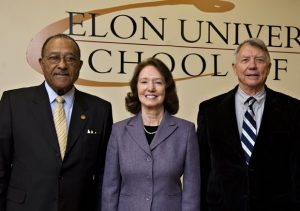
Elon Law announces creation of the Billings, Exum & Frye National Moot Court Competition
January 25, 2011
ÁñÁ«app¹Ù·½ÍøÕ¾Èë School of Law has announced the creation of the , named in honor of three distinguished North Carolina lawyers, each of whom has served as Chief Justice of the Supreme Court of North Carolina and now serves as a member of the ÁñÁ«app¹Ù·½ÍøÕ¾Èë School of Law National Advisory Board.
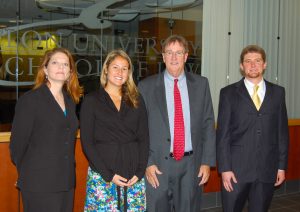
Elon Law School Democrats host John Wallace for discussion on election law
January 25, 2011
In remarks at an October 7 forum hosted by the Elon Law School Democrats student organization, election law expert John Wallace reviewed recent court decisions impacting political campaigns in North Carolina and nationally.
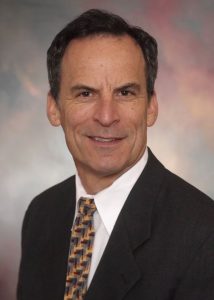
Steve Friedland elected to The American Law Institute
January 25, 2011
Elon Law professor and senior scholar Steven I. Friedland has been elected to The American Law Institute (ALI), the leading independent organization in the United States producing scholarly work to clarify, modernize, and otherwise improve the law.
Prospective Students Information Session – Jan. 28
January 25, 2011
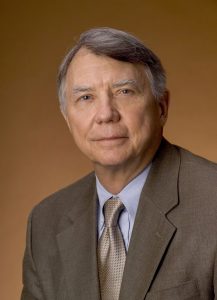
Jim Exum selected to Co-Chair Judicial Independence Committee
January 25, 2011
Former Chief Justice of the North Carolina Supreme Court and Elon Law Distinguished Jurist-in-Residence James G. Exum, Jr. has been selected to co-chair the North Carolina Bar Association's Judicial Independence Committee. The committee is charged with reviewing the state's system for selecting judges and advising on reforms to improve the system.
Scott Turow places lawyers at the center of America’s struggle to define values
January 25, 2011
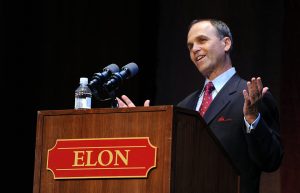
Delivering Elon Law's fall 2010 Bryan Leadership Lecture on October 13, acclaimed writer and attorney Scott Turow presented an often hard-hitting analysis of the causes for historically low levels of trust in lawyers in the United States, acknowledging evidence of corruption and greed in the profession, while refuting broad negative stereotypes about attorneys and emphasizing the important role that lawyers play in determining national questions of value through the country's legal system.
Four leaders in the law join Elon’s Law School Advisory Board
January 25, 2011
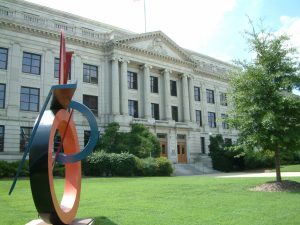
ÁñÁ«app¹Ù·½ÍøÕ¾Èë is pleased to announce the appointment of four new members of the university's Law School Advisory Board, each of whom has been recognized for remarkable contributions to the legal profession and to society: Carole W. Bruce, W. Randy Eaddy, Bassam N. Ibrahim, and Mark London.

Elon Law Review’s fall 2010 symposium to explore transparency, secrecy and the Internet
January 25, 2011
Several of the nation's top scholars in intellectual property law, technology and the Internet will gather on October 29 at ÁñÁ«app¹Ù·½ÍøÕ¾Èë School of Law to explore how the Internet impacts public access to information and how society balances the desire for increased access to information with the need for secrecy, privacy, and control.

Phi Alpha Delta chapter at Elon Law gives back to the community during month of October
January 25, 2011
As part of the fraternity's commitment to advance integrity, compassion and courage through service to the community, Elon's Phi Alpha Delta (PAD) chapter has devoted the month of October to giving back to Greensboro.
David Levine coauthors letter to President Obama urging halt to U.S. endorsement of ACTA
January 25, 2011
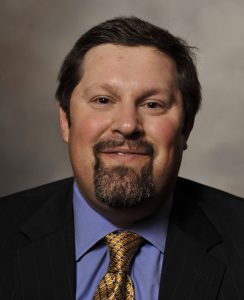
Through an October 28 letter to President Obama, more then 70 law professors have urged the Obama administration to halt its public endorsement of the Anti-Counterfeiting Trade Agreement (ACTA), citing a lack of transparency and public input in deliberations shaping the international intellectual property agreement.